ASPnet:2025日韓姉妹校オンラインプログラム 第3弾を実施しました!
2025Korea – Japan Sister School Online Program 3
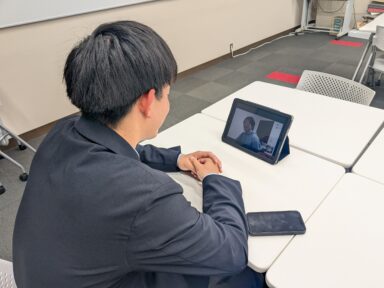
5月21日「対話と発展のための世界文化多様性デー」にちなんだ活動として、2026年2月13日(金)に日韓姉妹校連携オンラインプログラムを実施しました。韓国にある三一工業高等学校と本校は姉妹校として連携を行っています。オンラインプログラムはその一つで、互いの文化や科学技術をテーマに交流をしています。
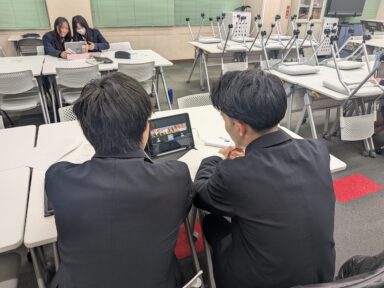
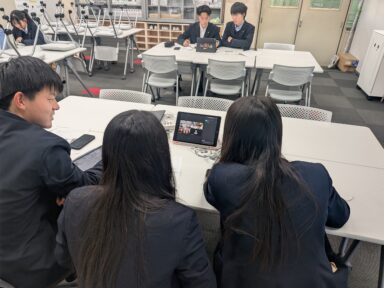
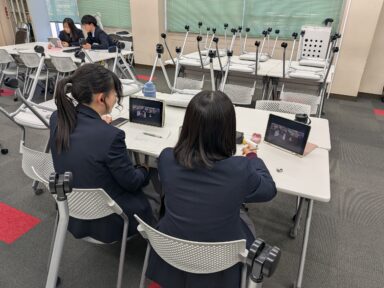
今回は、日本から連携大使を中心として7名、韓国からもかけはしプロジェクトのメンバー9名が参加して、合計16名でプログラムを行いました。本校の生徒2~3名と삼일공업고등학교(三一工業高等学校、サミル工業高等学校)の生徒3名が1つのグループを作り、テーマに基づいて情報交換を行いました。
今回のテーマは「SDGs 13 気候変動に具体的な対策を」としました。この目標に関する課題と解決方法について、グループごとにアイデアを出し合いました。今までに交流経験のあるメンバーがほとんどだったため、「久しぶり!」からスタートすることができ、互いの国の現状も踏まえながら活発な話し合いを行うことができました。話し合いの内容を発表する場面では、それぞれのグループリーダーが全体に向けて話し、出されたアイデアを共有することができました。
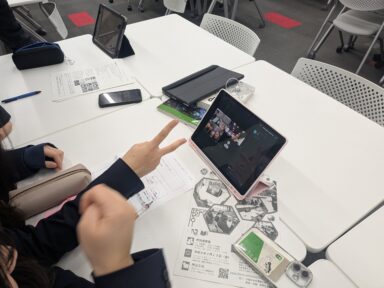
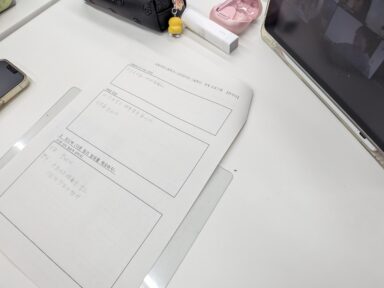
本校からの参加生徒の中にはこのプロジェクトを通じて韓国文化に興味をもち、韓国語を学び始めた生徒もいます。今回のオンラインプログラムの中でも、韓国語で会話したり、韓国語のワークシートを使用して韓国語でメモを取ったりする場面がありました。
話し合い後の自由交流時間では、互いの学校を訪問した時のバディとゆっくり話をすることができ、交流を深めることができました。韓国の参加者には卒業して大学生になった生徒が顔を見せてくれる場面もあり、両校のつながりが深まってきていることが実感できました。
前回と同様、このプログラムは日韓姉妹校連携大使が中心となり、生徒が運営を行っています。高校生だからこそできる交流を引き続き推進していきたいと思います。
<話し合いの概要>
○Aグループ
気候変動の大きな要因は二酸化炭素だと思う。これをどうにかして抑えなくてはいけない。やはり車の使用を規制し、電車や自転車などを利用することが身近な対策としていいと考える。日本ではラッピング電車やラッピングバスがたくさんあり、それを目的に人が集まっている。韓国ではあまり見られないが、キャラクターや俳優とコラボしたデザインを使用することで、電車やバスの利用者が増えると思う。生徒でも提案できる内容だと思う。
○Bグループ
地球にやさしい活動を学校プログラムとして実施できないかを話し合った。植物を植えたり、マイボトルの使用を促したりするようなキャンペーンを行い、生徒の意識を高めていくことが大切だと考えた。
○Cグループ
学校で実現できそうな具体的なプログラムを中心に話し合った。ごみを減らすという視点からいくつかできそうなものを考えてみた。制服リサイクルの推進をしてはどうかと思う。すでに行われている学校もあるが、もっと推進するとよいと思う。エコバッグの使用率を高める活動もできそうである。コツコツとできることに挑戦することが大切であると考えた。
☆参加していた教員から感想
すでに実施されているものもあるが、生徒が生徒の目線で考えることが大切だと思う。実践できそうなものもあるので、今度は両校で協力して実現させるところまでを目標に活動してもよいかも知れない。特に、ラッピングのアイデアなどは高校生が提案していくことで多くの人の環境への関心を高められる可能性があると思う。
As an activity to commemorate “World Day of Cultural Diversity for Dialogue and Development” on May 21, we held the Korea – Japan Sister Schools Collaboration Online Program on February 13, 2026. Samil Technical High School in Korea and our school have been collaborating as sister schools. The online program is one of such activities, in which we exchange with each other on the themes of culture, science, and technology.
This time, a total of 16 participants took part in the program: 7 members from Japan, centered around the Korea-Japan Sister School Ambassador, and 9 members from Korea, including members of the Kakehashi Project. Groups were formed with 2-3 students from our school and 3 students from Samil Technical High School, who exchanged information based on the theme.
The theme for this session was “SDG 13: Climate Action.” Each group brainstormed ideas regarding challenges and solutions related to this goal. Since most participants had prior exchange experience, they could start with a “Long time no see!” and engage in lively discussions, taking into account the current situations in each other’s countries. During the presentation of discussion outcomes, each group leader spoke to the entire group, sharing the ideas generated.
Among the participating students from our school, some developed an interest in Korean culture through this project and began learning Korean. During this online program, there were opportunities to converse in Korean and take notes in Korean using Korean worksheets.
During the free exchange time after the discussions, students were able to talk at length with their buddies from when they visited each other’s schools, deepening their connections. We also saw Korean participants who had graduated and become university students join in, making it clear that the bond between our schools is growing stronger.
As with the previous program, this initiative is primarily run by students, with the Japan-Korea Sister School Ambassadors taking the lead. We intend to continue promoting exchanges that only high school students can achieve.
<Discussion Summary>
○Group A
We believe carbon dioxide is a major factor in climate change. We must find ways to curb it. Restricting car use and promoting trains and bicycles as everyday alternatives seems like a good approach. Japan has many wrapped trains and buses, attracting people specifically to see them. While less common in Korea, using designs featuring characters or actors could increase train and bus ridership. I think students could propose such ideas.
○Group B
We discussed implementing eco-friendly activities as part of the school program. We considered it important to raise student awareness through campaigns like planting plants or encouraging the use of reusable water bottles.
○C Group
We focused our discussion on concrete programs feasible within the school. Considering ways to reduce waste, we brainstormed several possible initiatives. We thought promoting uniform recycling could be effective. While some schools already do this, we believe it should be further encouraged. Activities to increase the usage rate of eco-bags also seem promising. We concluded that it’s important to take on challenges that can be tackled step by step.
☆Feedback from participating teachers
While some ideas are already being implemented, I believe it’s crucial for students to think from a student’s perspective. Since some concepts seem feasible, perhaps our next goal should be collaborating between both schools to actually bring them to life. I especially think ideas like wrapping could raise environmental awareness among many people if proposed by high school students.