ASPnet:2025日韓姉妹校オンラインプログラム 第2弾を実施しました!
2025Korea – Japan Sister School Online Program 2
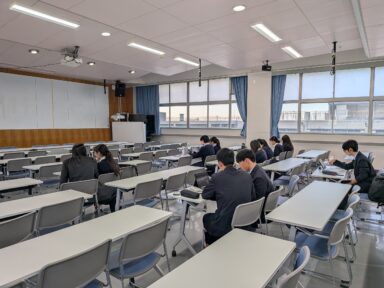
5月21日「対話と発展のための世界文化多様性デー」にちなんだ活動として、2025年10月27日(月)に日韓姉妹校連携オンラインプログラムを実施しました。韓国にある三一工業高等学校と本校は姉妹校として連携を行っています。オンラインプログラムはその一つで、互いの文化や科学技術をテーマに交流をしています。
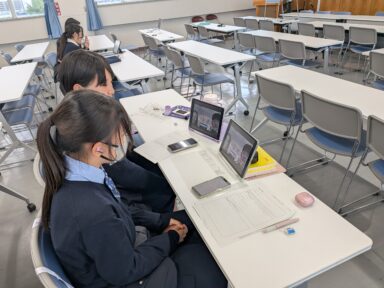
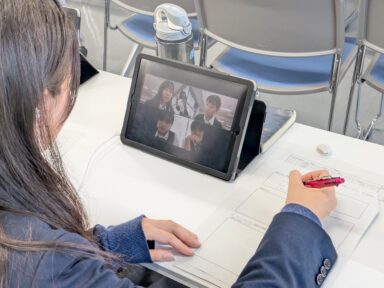
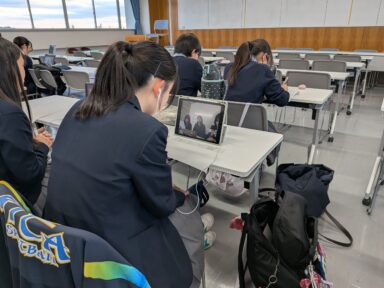
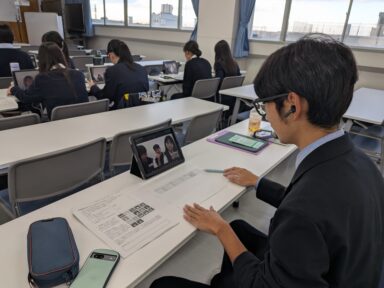
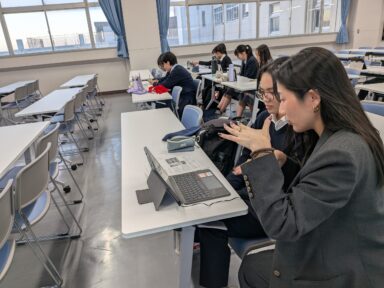
今回は、日本から連携大使を含む10名、韓国から20名が参加して、合計30名でプログラムを行いました。本校の生徒1~2名と삼일공업고등학교(三一工業高等学校、サミル工業高等学校)の生徒2~3名が1つのグループを作り、テーマに基づいて情報交換を行いました。
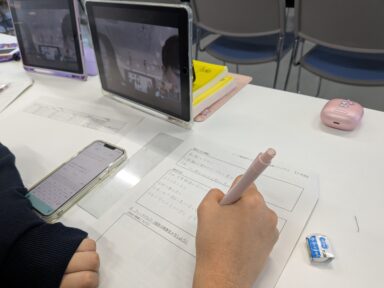
今回のテーマは「SDGs」です。グループごとに17の目標の中から1つを選び、その目標に関する課題と解決方法についてアイデアを出し合いました。日本の現状や韓国の現状、アメリカやインドなど他国へ行ったことがある参加者はそれらの国の現状も踏まえながら活発な話し合いを行うことができました。話し合いの内容を発表する場面では、それぞれのグループリーダーが全体に向けて話し、出されたアイデアを共有することができました。
話し合い後の自由交流時間では、本校が韓国を訪問した際に会った生徒同士で近況を話したり、新たな友だちを作ったりと親睦を深めることができました。
このプログラムは日韓姉妹校連携大使が中心となり、生徒が運営を行っています。高校生だからこそできる交流を引き続き推進していきたいと思います。
<話し合いの概要>
○Aグループ:14海の豊かさを守ろう
課題としては、海の生態系が壊れてしまっていることである。これらを解決するために、養殖業を盛んにしたり、人工的なサンゴ礁を作ったりすることが重要なのではないか。
○Bグループ:12つくる責任つかう責任
課題としては、プラスチックごみの増加である。これらを解決するために、エコバックや紙容器の利用を活発にしていきたいと考えている。高校生ができることとして、取組の様子をSNSで発信することで意識を高めることができるのではないか。
○Cグループ:01貧困をなくそう
課題としては、経済的に不安定な人がいることや病院に行けない人がいることである。これらを解決するために、政府が中心となって雇用を増やしたり、賃金を増やしたりすることが重要なのではないか。また、医療費の支援をしていくことも重要なのではないか。
○Dグループ:13気候変動に具体的な対策を
課題としては、地球温暖化そのものである。これらを解決するために、使い捨てを辞めたり、減らしたりすることが重要なのではないか。また、公共交通機関を使ったり、環境負荷の少ない商品を選ぶようにすることも重要なのではないか。
○Eグループ:15陸の豊かさも守ろう
課題としては、ごみの増加である。これらを解決するために、みんなでごみ拾いを行い、環境について考える機会を増やしていくことが重要なのではないか。
○Fグループ:13気候変動に具体的な対策を
課題としては、地球温暖化により生態系が壊れていることである。これらを解決するために、エネルギーについて考え、その作り方や使い方を見直すことが重要なのではないか。
○Gグループ:02飢餓をゼロに
課題としては、世界中で飢餓が起きていることである。これらを解決するために、政府がお米などの食べ物を配給することが重要なのではないか。また、フードバンクのように賞味期限が近い食品をフリーで提供するような仕組みを考えることも必要なのではないか。
As an activity to commemorate “World Day of Cultural Diversity for Dialogue and Development” on May 21, we held the Korea – Japan Sister Schools Collaboration Online Program on October 27, 2025. Samil Technical High School in Korea and our school have been collaborating as sister schools. The online program is one of such activities, in which we exchange with each other on the themes of culture, science, and technology.
This session’s theme was the “SDGs.” Each group selected one of the 17 goals and brainstormed challenges and solutions related to that goal. Participants shared insights based on Japan’s current situation, South Korea’s situation, and those who had visited other countries like the United States and India also contributed perspectives on their respective nations, leading to lively discussions. During the presentation phase, each group leader shared their ideas with the entire group.
During the free exchange time after the discussions, students who had met during our school’s visit to Korea caught up on each other’s recent activities, made new friends, and deepened their bonds.
This program is run by students, with the Korea-Japan Sister School Ambassadors playing a central role. We hope to continue promoting exchanges that are uniquely possible because we are high school students.
<Discussion Summary>
○Group A: 14 Life Below Water
The issue is the destruction of marine ecosystems. To address this, promoting aquaculture and creating artificial coral reefs may be important solutions.
○Group B: 12 Responsible Consumption and Production
The issue is the increase in plastic waste. To address this, we aim to actively promote the use of eco-bags and paper containers. As something high school students can do, sharing our efforts on social media could help raise awareness.
○C Group: 01 No Poverty
The challenge is that some people face economic instability and others cannot access hospitals. To address this, it is important for the government to take the lead in increasing employment and raising wages. Providing support for medical expenses is also crucial.
○D Group: 13 Climate Action
The core challenge is global warming itself. To address this, it is vital to stop or reduce single-use items. Additionally, using public transportation and choosing products with lower environmental impact are important steps.
○E Group: 15 Life On Land
The challenge is increasing waste. To solve this, isn’t it important for everyone to participate in litter cleanups and increase opportunities to think about the environment?
○F Group: 13 Climate Action
The challenge is the destruction of ecosystems due to global warming. To solve this, isn’t it important to rethink energy—how it’s produced and used?
○G Group: 02 Zero Hunger
The challenge is hunger occurring worldwide. To solve this, it is important for governments to distribute food like rice. It is also necessary to consider systems like food banks that provide food nearing its expiration date for free.